Origami is the chocolate brand I worked for.
In these photos, both boxes have a long, narrow shape, round windows, and colorful chocolate hemispheres. The resemblance was hard to miss. But before we saw the second box, the first had already shown us where its construction failed.
The retailer is a major premium grocery chain with roughly 200 stores across two large cities. For a small producer like us, getting onto its shelves mattered.
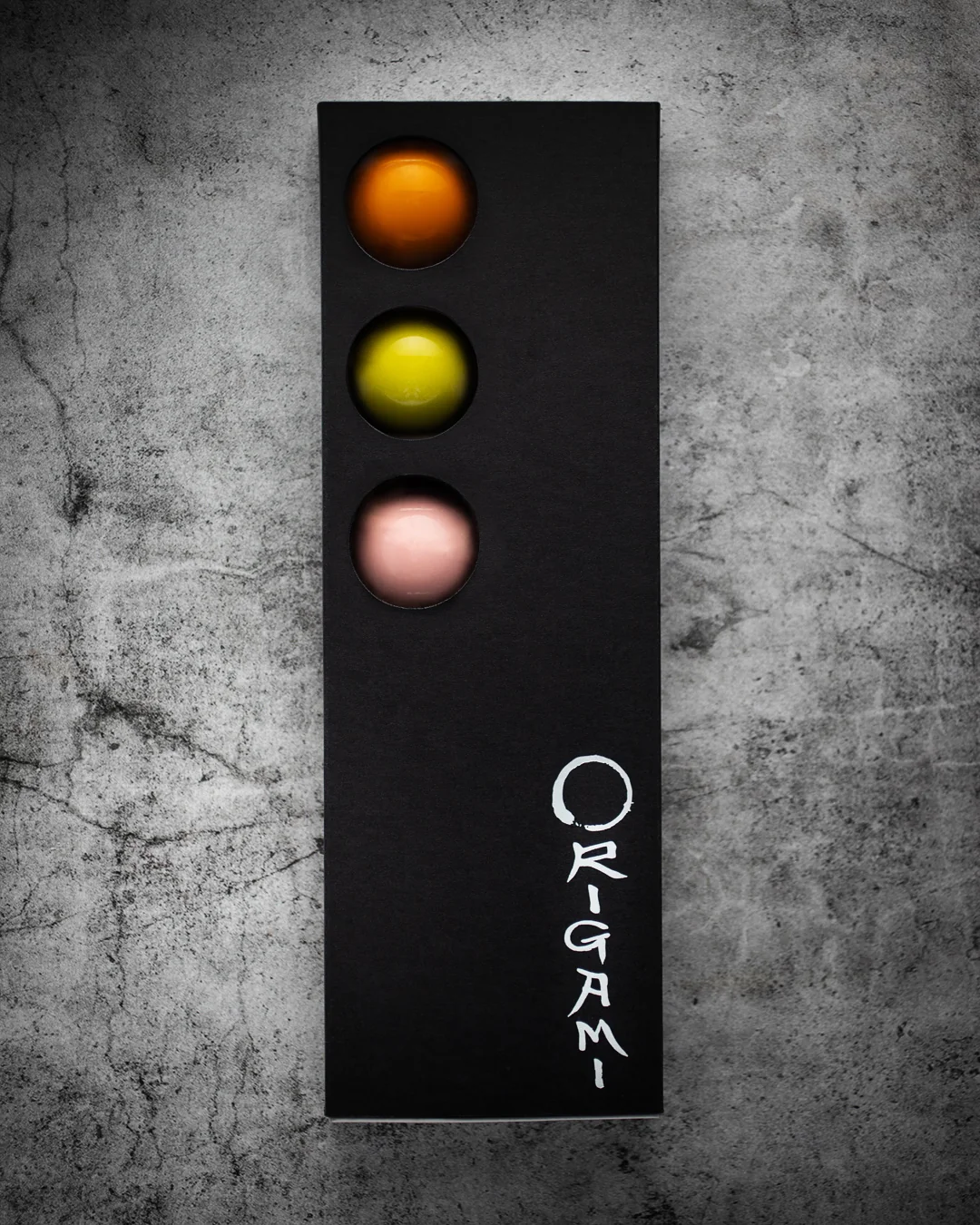
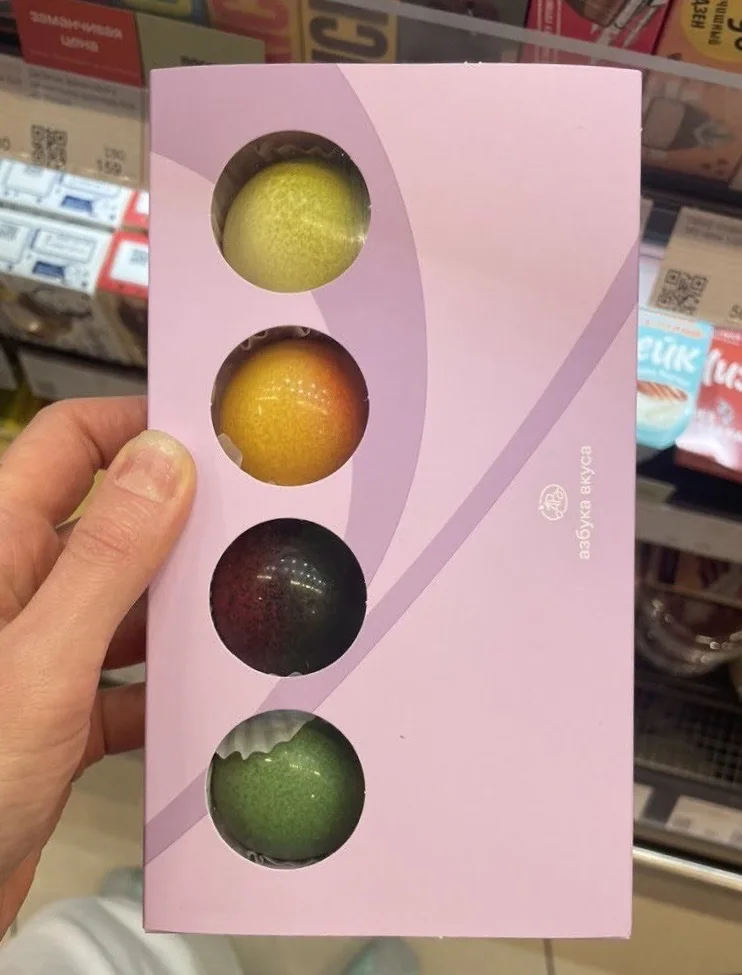
In spring 2021, Origami was making its second attempt to get its chocolates onto the retailer’s shelves. The founder designed the black box with round windows so shoppers could see the chocolates inside.
The chain did not take that package. We later reached its shelves with a different square box, designed for a dry shelf and fitted with one large window. Meanwhile, the black collection sold on our website and on Ozon, an online marketplace.
This happened before I joined Origami, almost a year later.
When orders grew
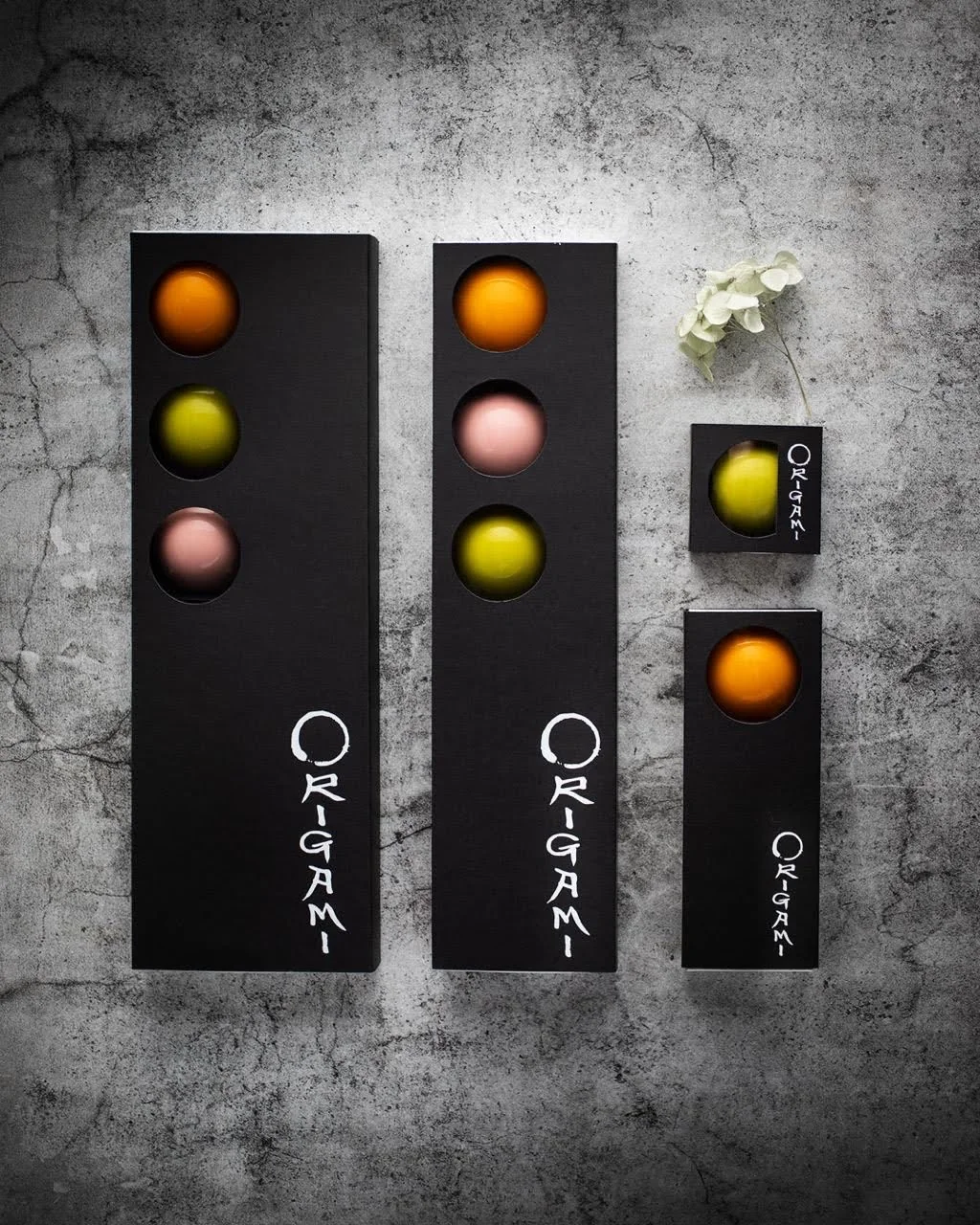
When orders were few, we packed each set in its own shipping carton and padded it with packing paper. Some months, Ozon brought only a handful of orders.
In December 2022, we moved much of the range into Ozon's warehouses. Sales grew to dozens of orders a day, especially around holidays. The journey of each parcel changed too: there was less individual protection around the box, and the product went through a warehouse network built for volume.
The weak points surfaced. Chocolates slipped out of their smooth cups, flipped over, and cracked. Plastic windows came loose and could fall inward. Some customers spotted the damage at pickup and refused the order.
First we sealed the boxes in film, then added bubble wrap on top. It helped, but did not solve the problem.
 Verified purchase on Ozon · 12 pieces · 290 g27 December 2022 · ★★★☆☆
ProsStylish packaging
ConsOne chocolate is cracked and several are scratched
CommentBought as a gift. I can’t comment on the taste, but the appearance is so-so.
Was this review helpful? Yes 1 No 0 Reply
Verified purchase on Ozon · 12 pieces · 290 g27 December 2022 · ★★★☆☆
ProsStylish packaging
ConsOne chocolate is cracked and several are scratched
CommentBought as a gift. I can’t comment on the taste, but the appearance is so-so.
Was this review helpful? Yes 1 No 0 Reply
Although the set was a bestseller on Ozon that winter, we decided to sell through the remaining stock and stop printing the black box. The whole collection left the range, and damage was only one reason.
We had three collections and around 20 flavors. Each required inventory, ingredients, and production attention. Cash was tied up in stock while the team spread its effort across too many products.
We cut the assortment first to about 14 flavors, then to 10. In parallel, we reworked the classic collection's packaging to hold the chocolates more securely in transit.
A familiar box
In summer 2023, the founder spotted a new own-label chocolate box in the retailer’s refrigerated section. Eight chocolates of the same shape and size, two rows, a long narrow case, and round windows over colorful hemispheres.
My first thought was: “How could they? They just took our box.” We were a small producer, and I feared a similar own-label product from the chain could push us off its shelves.
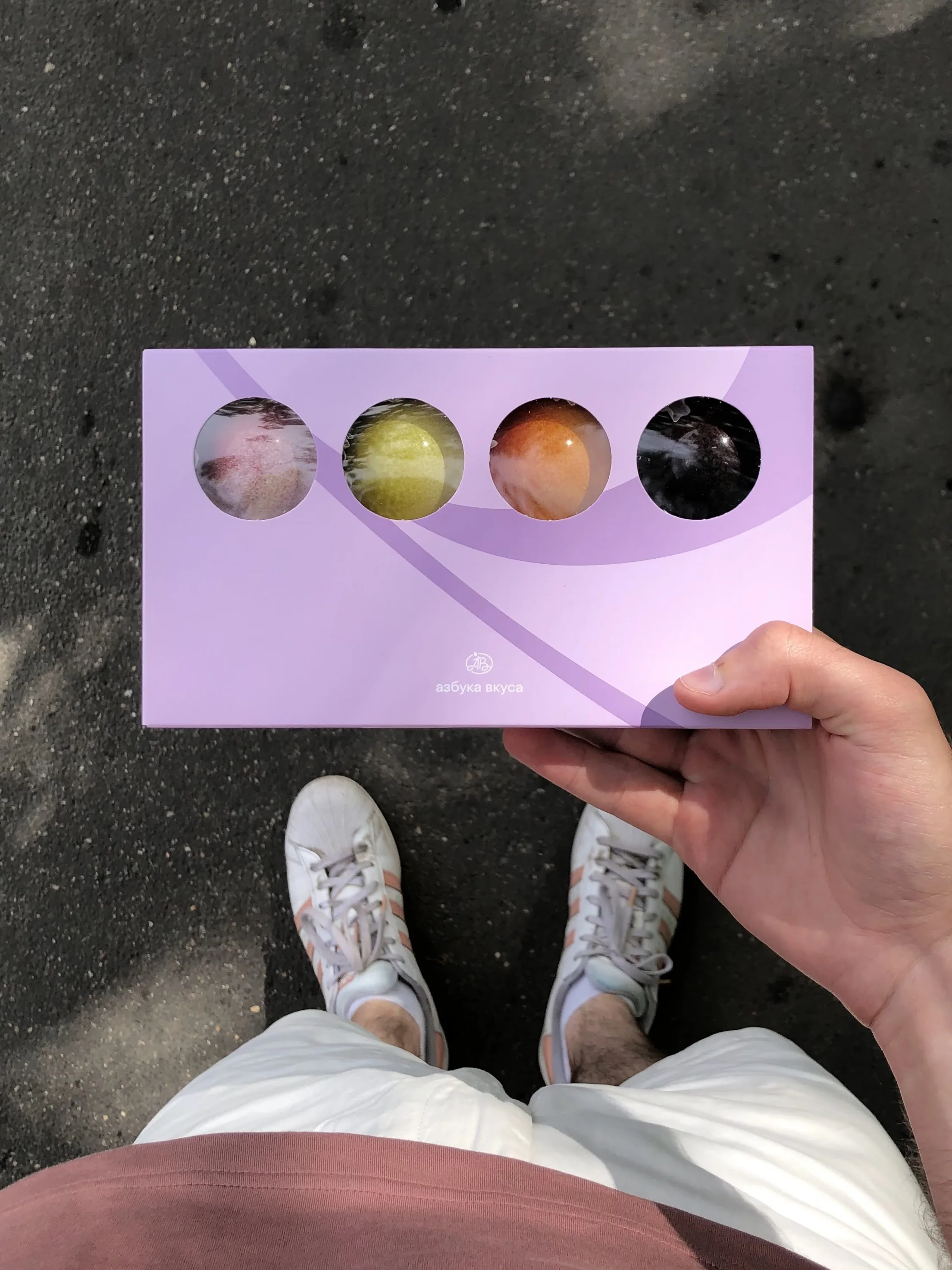
The next day, I brought the box to production and filmed us opening it.
The difference was inside
The box I bought had been assembled badly: one side wall was tucked under the lower tray. It was hard to open, and the cardboard tore as I took it apart. The mistake is barely visible in the photos; it became clear when I opened the box. It was a defect in this particular unit, not in the idea behind its construction.
Once I had taken it apart, I could see the thought that went into it. In our box, chocolates sat in smooth cups and could jump out. Here, a ribbed paper cup held each one. The side walls were wider, and the central divider was fixed more securely.
In our box, a hard jolt could dislodge the divider. The newer construction addressed that weak point differently. The boxes looked very similar outside, but their interiors were already different.
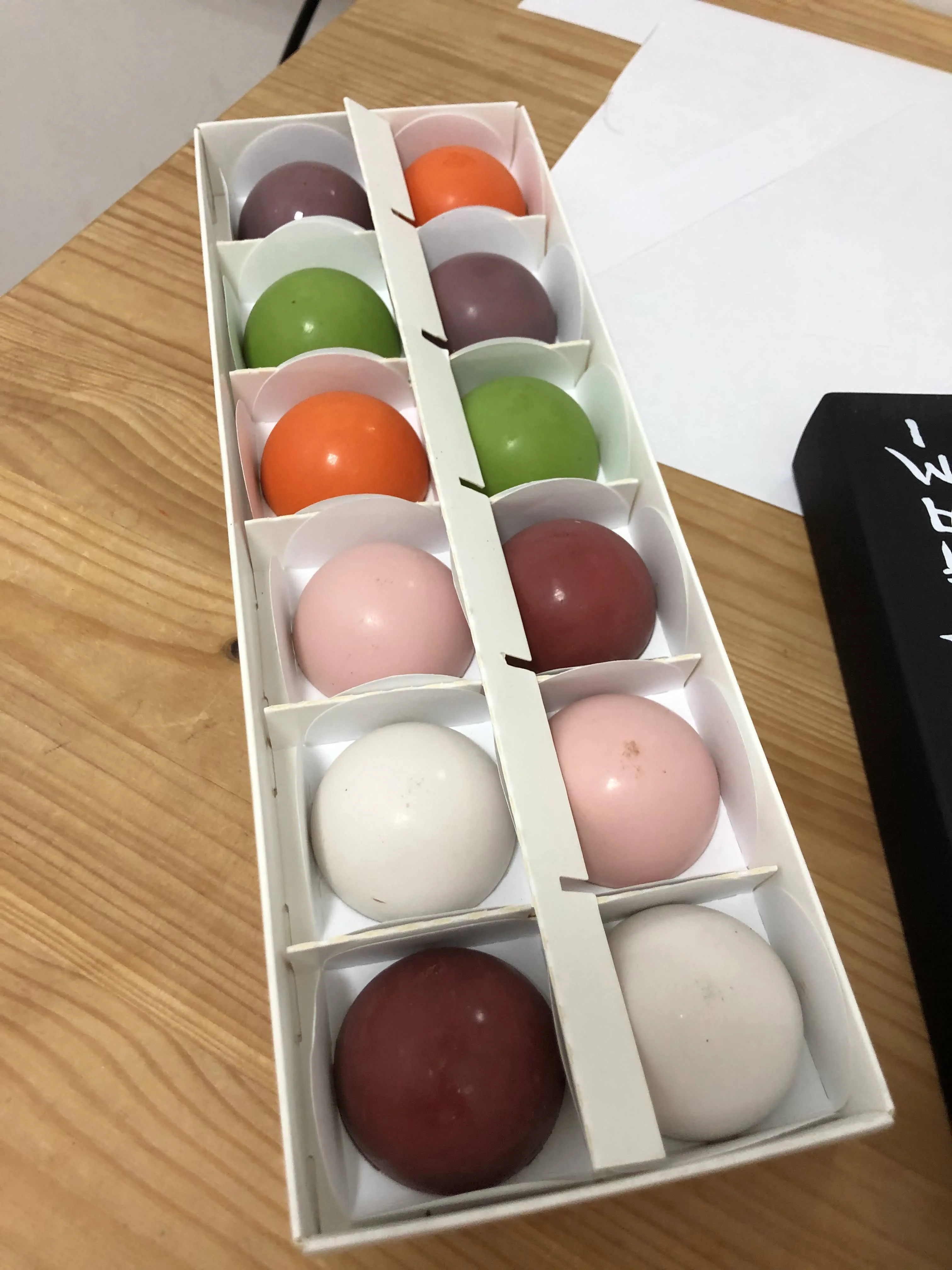
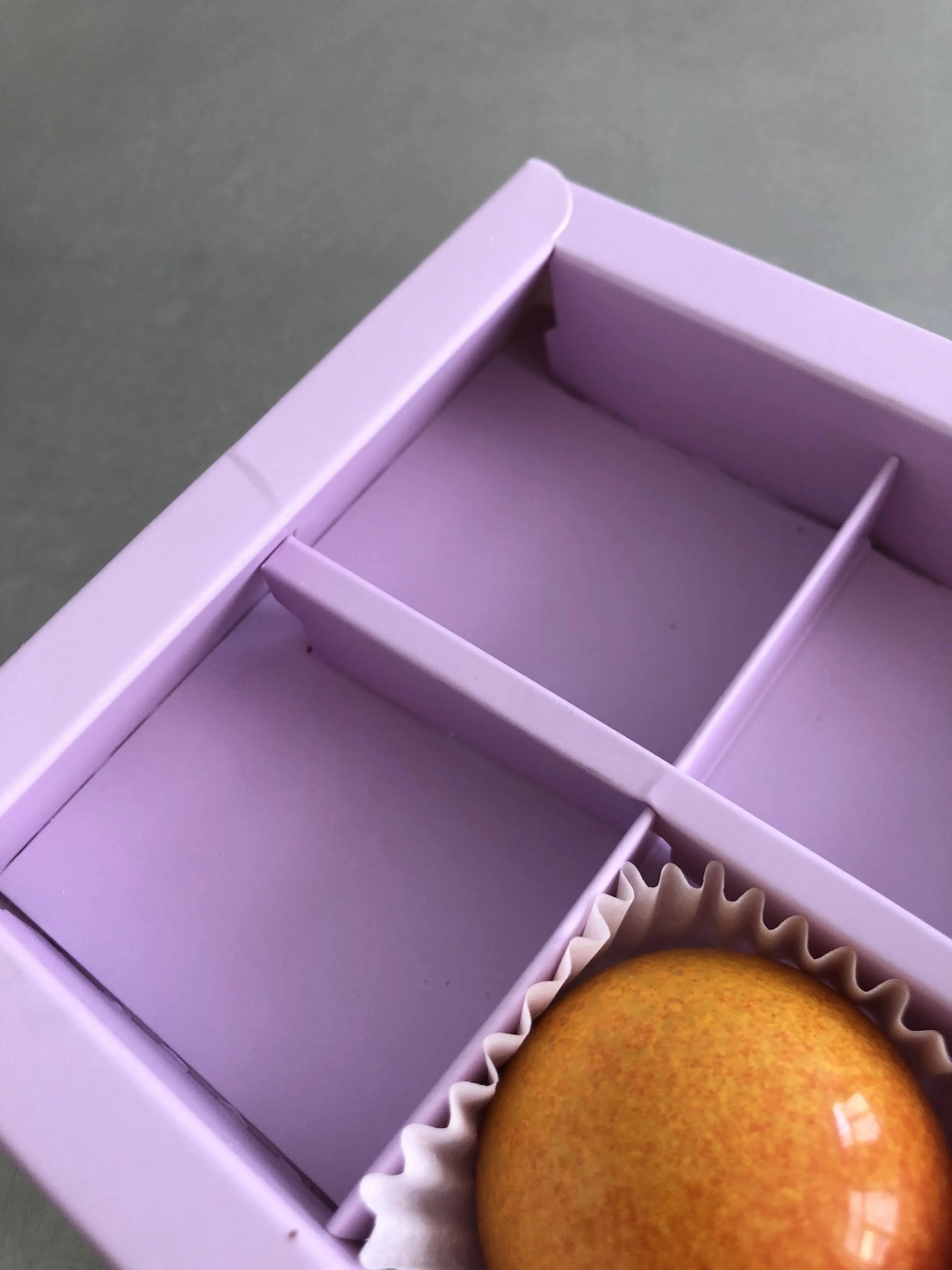
My irritation gradually gave way to professional respect. The retailer’s box did more than repeat the look: its construction had been improved.
We kept working with the retailer for almost three more years. I never regretted retiring the black collection. It helped us simplify the range, keep less cash tied up in stock, and give each product more attention.
The retailer’s box reminded me that you do not always have to invent a product from scratch. Sometimes you can take what already works and make it just a little better.